Field Notes

Essays from the wall and the work.

Notes on capacity, recovery, and what the terrain teaches that the conference room never could.

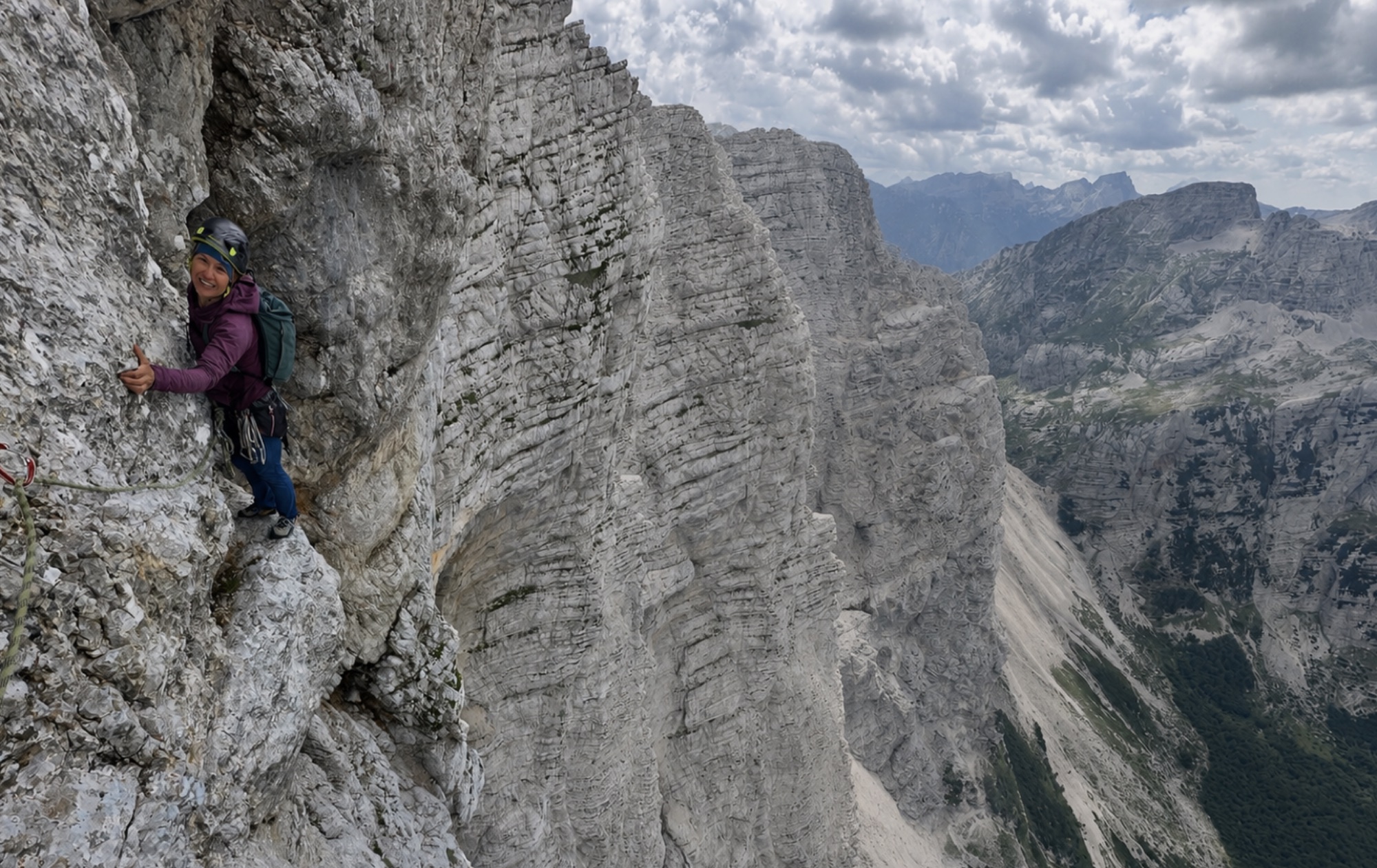
A climber on a rocky ridge looking toward a high snow peak
01

The Mountain Does Not Care

I have spent thirty years on rock. Yosemite, Patagonia, Tasmania. Long routes where the top is a full day or a week away, and the weather is more in control than you are. I have summited things I trained years for. I have also turned around, literally, four moves from the top.

It took me most of those thirty years to say what I am about to say next.

The mountains do not care if you climb them.

It did not reward the summit. It did not punish the retreat. The rock has nowhere to be. It does not lean toward your success or flinch at your failure. It is the most indifferent place I know, and that indifference is the most useful thing it has ever given me.

I was born hypersensitive into an Eastern Bloc family where addiction and post-war depression ran rampant. I learned too early that it was all on me. In a dangerous world, I learned to change myself to survive. At three years old I was already performing.

Here is what happens up there, every time. I start a hard route carrying the load I carry everywhere. I want to be good enough. I want to have earned my place. I am not sure I am made for this.

Some version of that noise ties in with me.

And then the presence takes over. The next move asks for my whole attention or it does not get climbed. Hours can pass like that. Days. Move, breathe, place protection, move. Somewhere in there, without my deciding it, the noise thins out. Layer by layer the proving falls off, until I reach a point where I have forgotten what I was anxious about when I left the ground.

That is the part no one sells you. Not the summit photo. The forgetting.

And whether I top out or get shut down, my body comes down with the same thing. Whole. Peaceful. Clear. Quiet. My mind might still be clinging to some perceived success, but when I drop into the body, the outcome changed nothing about how I feel walking down.

What got clocked in was not the achievement. It was that I showed up and stayed with myself the whole way.

Now hold that against your last fifteen years.

Every room you have worked in pays you for the outcome. Closing the deal, hitting the number. Winning counts most. Not once, in any of those rooms, were you paid for staying with yourself while you did it. You were paid for the result, and you learned to deliver the result at the cost of the woman delivering it. You got very good at this, and it is why you are where you are.

It is also why you are bone tired, depleted, and even rest does not seem to touch it.

The mountain runs the opposite economy. It cannot see your results, so it stops scoring them, and the only thing left to attend to is who you are being on the way up. That is not a metaphor. It is what the terrain does to your attention.

You do not need a mountain to learn this. You need one place that does not reward your performance, so you can finally feel the difference between achieving something and being present for your own life while it happens.

I learned it on the rock because that is where I go. But it is not the only place. I create this place in my work.
Back to top ↑

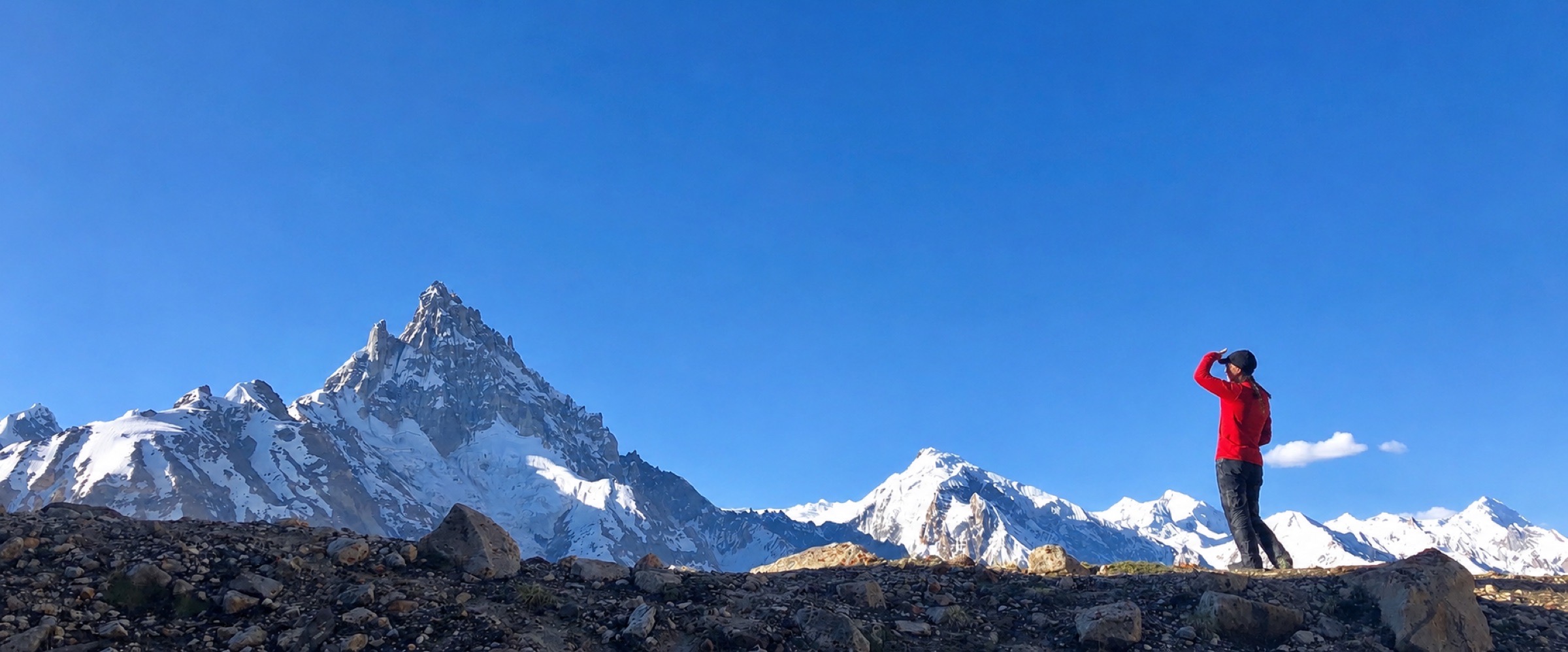
A wide high-mountain panorama
02

Two Fuels, One Body

For most of my life the two fuels felt identical. I could not tell them apart from the inside, and I am someone who pays attention.

I once watched a world-class athlete reach the top of a climb that had taken her years to project. She shouted a celebratory yes while clipping the anchor. But as she was being lowered, before her feet even touched the ground, she named the next thing she wanted to climb.

In less than thirty seconds, she had already decided she needed to do more.

I knew what she was doing, because I did the same thing for years. Top out, and before I am even off the rope, the mind is already reaching for the next thing.

Here is what nobody tells you. There are two engines that get you up the wall. From the outside, you could never tell them apart. Same hours. Same summit. Same closed deal. Except one of them is killing you, and you cannot see it. It took me thirty years to see mine.

The tell lives in the body, and once you feel it you cannot unfeel it.

Pick something you want right now, a goal: filling a room, giving the talk, winning the account. Hold it, and drop your attention into your body.

One fuel feels like grasping. Like there is not enough and you have to make this happen, force it, control it. Get there before someone notices you do not deserve to be there. It feels like effort, and when you are done, it feels like it cost more than it gave. You will reach the goal on this fuel. It works, and it is not bad. But a bill comes later, and your body keeps the ledger. For me it was a nerve pain with no cause a doctor can find. For you it might be migraines, injuries, weight gain, insomnia. The relationship that goes down while you were not looking. The kids who paid for a thing they never agreed to.

The other fuel feels like space. Like a river already going downstream. Like I cannot wait to be part of this. Like I am so excited to dig deep, and I want to find out what is in there. A spaciousness, a sovereignty. A dog with a ball. A toddler who has decided, with her whole body, that today she walks.

Both reach the top.

If you go looking for the second fuel and find only the first, you are not broken. That is most women, most of the time. The second fuel got trained out of you by every room that paid you for the result and never once for the cost. It comes back. That is the work, and it is trainable, the same way the override was trained in.

Start with the body. You cannot change a fuel you cannot feel. Next time you are reaching for something, stop and ask your body which engine is running. If you ask and cannot tell, that is what the Signal Map is for.

That is the whole beginning.

Back to top ↑

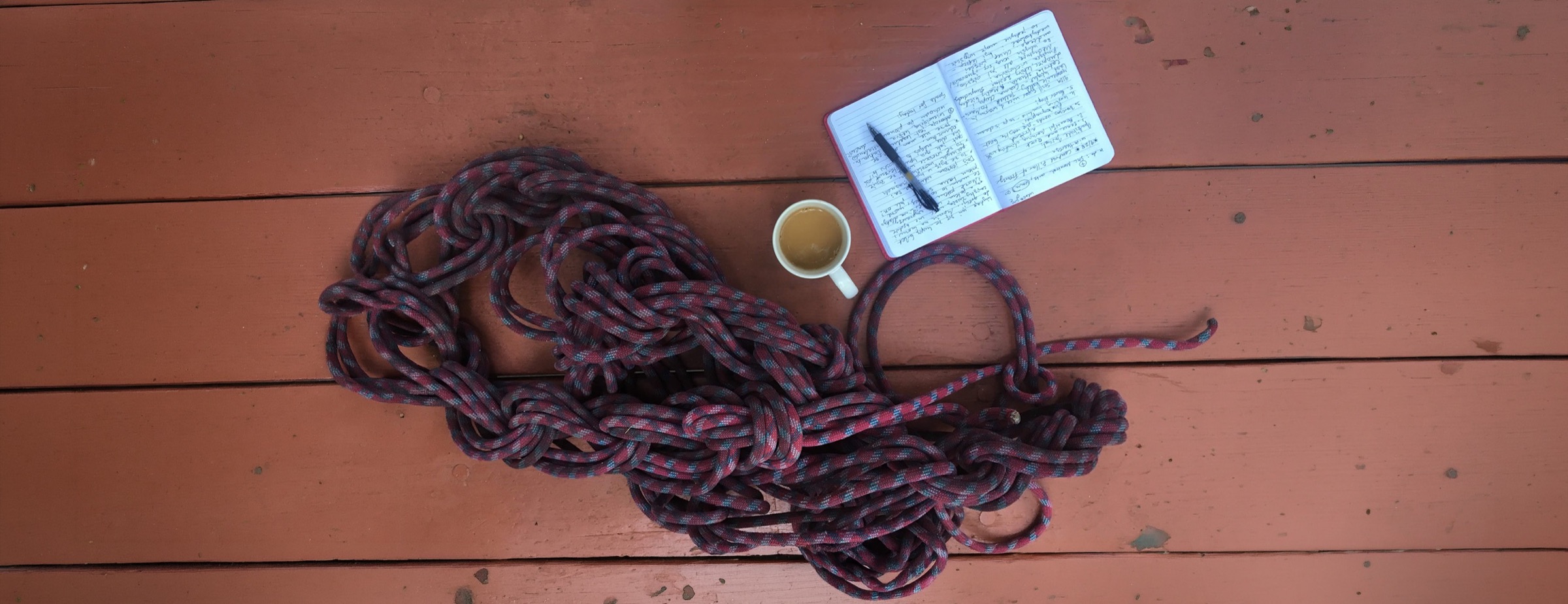
A coiled rope, an open journal, and a cup of coffee on a wooden deck
03

Fill Your Own Cup

You are the glue. You give in every room.

The job, the marriage, the kids, the aging parents, the friend in crisis, the community that assumes you will hold it. You were trained to be, the same way you were trained to say yes to the boss and smooth the room and put yourself last and call it being a good woman.

For the days you feel empty, you were handed the cure: a spa day, a pedicure, a glass of wine, a massage. Treat yourself, the culture says.

To be clear, I am not on a crusade against the pedicure. The wine is fine.

But let us not get fooled here.

You were domesticated into believing that this is what filling your cup looks like. Someone else built the menu and we accepted it. The problem: it is reductionist, and most of the time it does not work, and you know it does not work, because you have done all of it and you still feel exhausted and empty.

Here is the part that is yours and only yours. Nobody can tell you what fills your cup. You have to sit with yourself, drop into your body, and find out for yourself. Not what you are supposed to want. What you actually want.

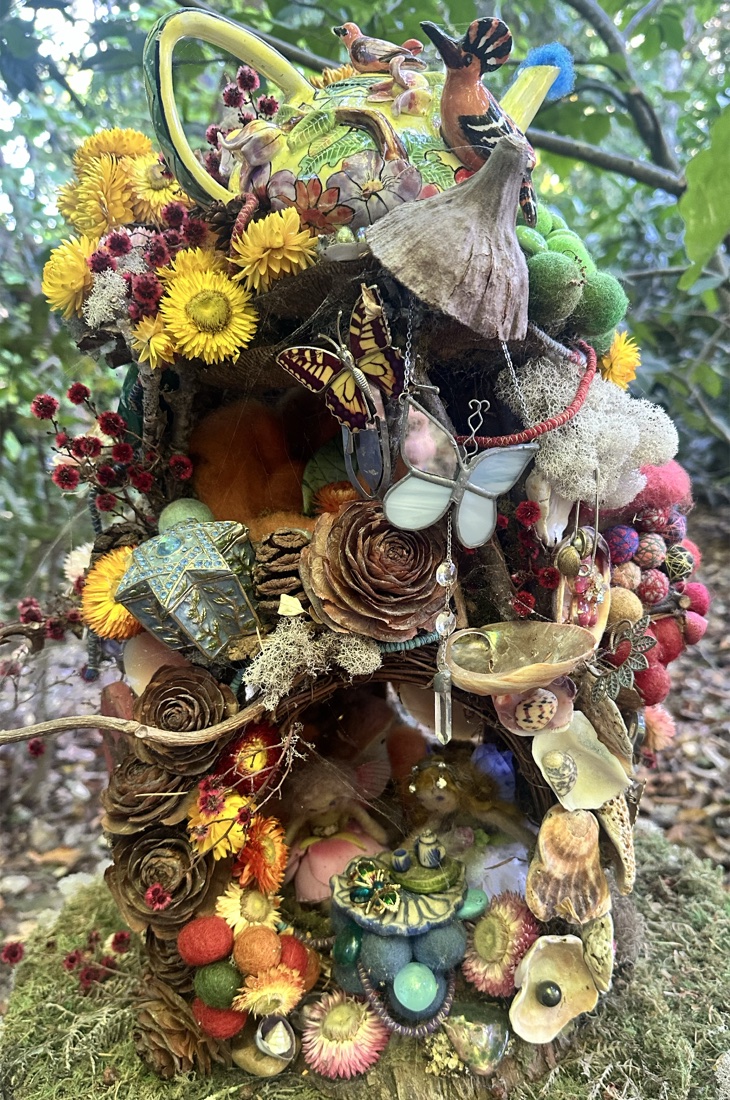
One woman I work with builds fairy houses. She shops for tiny teacups and miniature furniture everywhere she goes, and she spends her evenings felting fairy legwarmers and meditatively assembling these elaborate, ridiculous, perfect little worlds. She is obsessed.

An elaborate fairy house built from dried flowers, pinecones, shells, a butterfly, and tiny treasures
One of hers.

Another has twenty acres of land, and she spends part of every day pulling invasive species out of the ground. Weeding by hand. In a robe, topless, or in a winter coat. It feeds her body and soul.

I am not going to tell you they are valid or reframe them as wellness. The point is that no one prescribed them. These women sat with themselves and found the thing, and the thing was strange and specific and theirs.

That is the only test. Did you choose it, or were you handed it. Is it authored by you, or assigned to you. And it can change. What fills you at forty-seven is allowed to be nothing like what filled you at thirty.

Before you grab the chardonnay or book the spa again out of habit, ask the harder question. If no one were watching and no one had a list, what would you actually want to do with the day?

Sit with that until something real comes up. Then go do that.

Back to top ↑

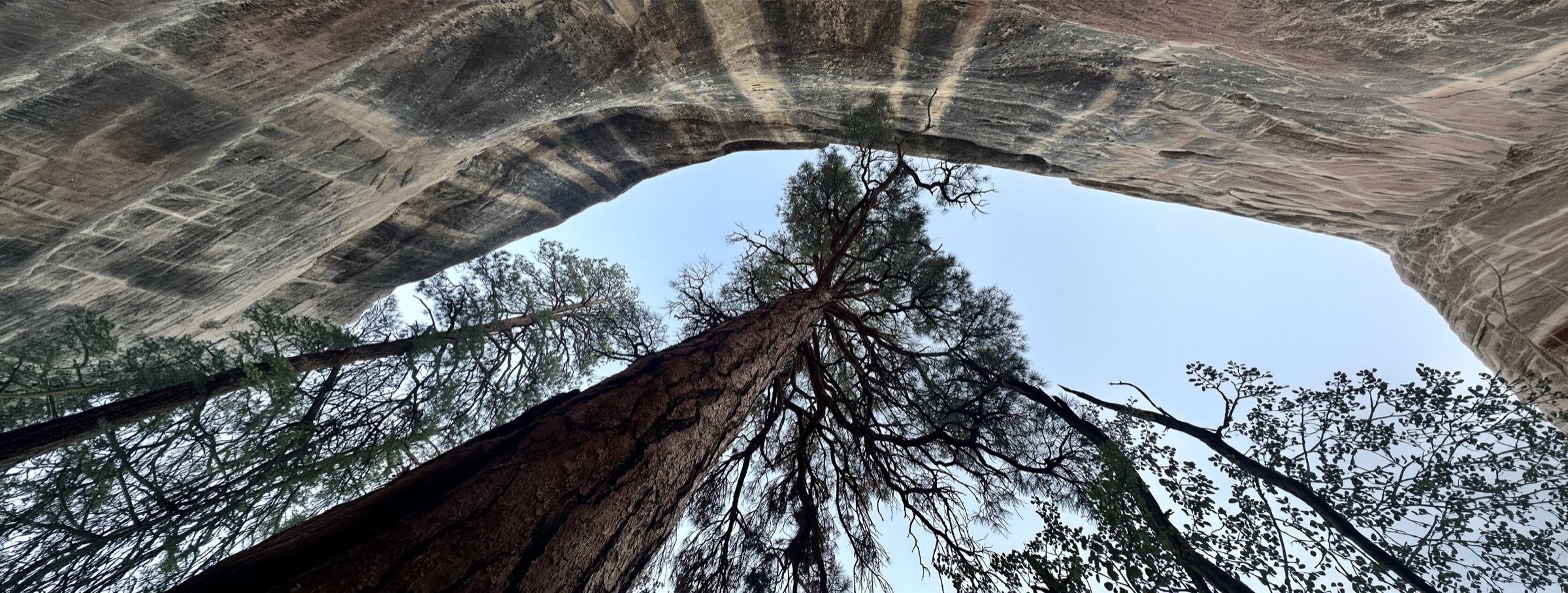
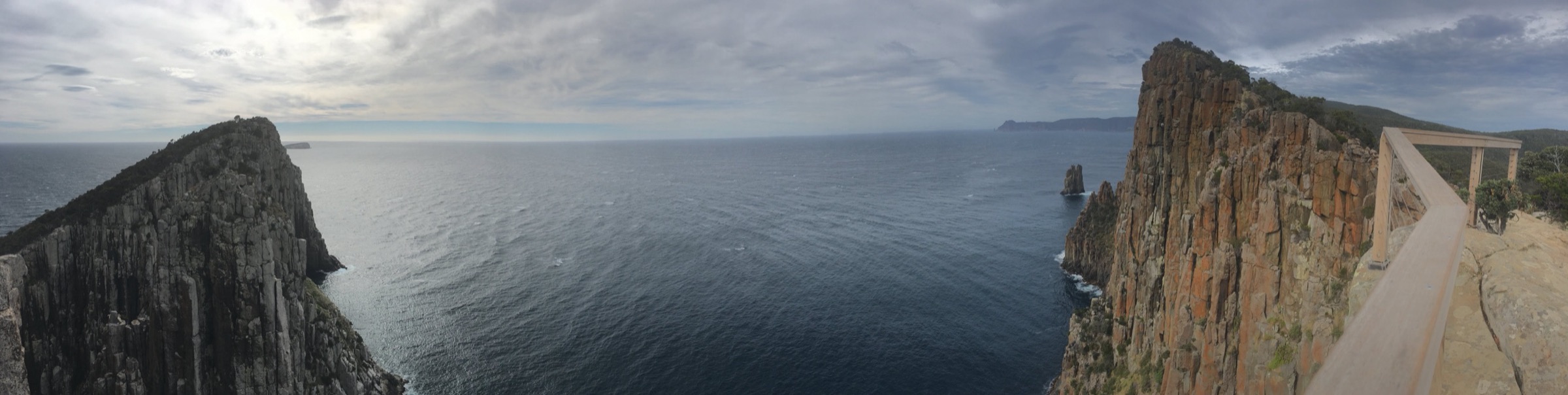
Looking straight up at tall trees against a sandstone alcove
04

In the Wild, You Are an Animal

In the rooms you live in, you are your role: the founder, the partner, the mother, the one who decides. You wear it so constantly you forget it is a costume, and the costume runs a low hum of performance under everything you do.

Out there, the title comes off.

In the wild, none of it matters. The river does not care that you run a company. The weather does not adjust for your seniority. You are a body moving over stone, the same as the marmot on the ledge, the same as the raven riding the updraft, the same as the gnarled old juniper that has held that crack for two hundred years. Just another animal out in the world.

It might feel, at first, like a loss.

A relief so complete that it makes you cry the first time you feel it. You cannot say why.

When the role comes off, presence is suddenly easy. You are not performing for anyone. There is no one to fawn to. There is just the next move, the wind, your own breath. Attention has nowhere to go.

And here is the part that is pure physiology, not poetry. Out there, stress arrives the way your body was built to take it. Short and sharp. A hard pitch, a committing move, a cold night. Real effort, and then long stretches of nothing. Walking. Resting. Eating. Watching the light move. Intense load nested inside deep recovery.

That is the original design. That is the shape of stress the human body evolved to thrive on, and it is the exact opposite of the one you live in.

Your rooms give you stress that never spikes and never stops. A constant low-grade pressure, twelve hours a day, no recovery built in, no evening by the fire. Your body cannot tell the difference between a real threat and a hostile email, so it stays half lit all the time, for years.

That is the gap. Not that you are weak. That you are running an animal built for sprints and rest on a sticky treadmill that never turns off.

The mountain does not toughen you up. It returns you to a body that is allowed to spike and then actually come down. You feel, sometimes for the first time in years, what it is to be fully stressed and then fully at rest, in the same day, in the same body.

You do not have to climb to get this. You have to find the version that is yours. But you should know what your body has been missing, and why no amount of sleep on a Sunday has fixed it.

Back to top ↑

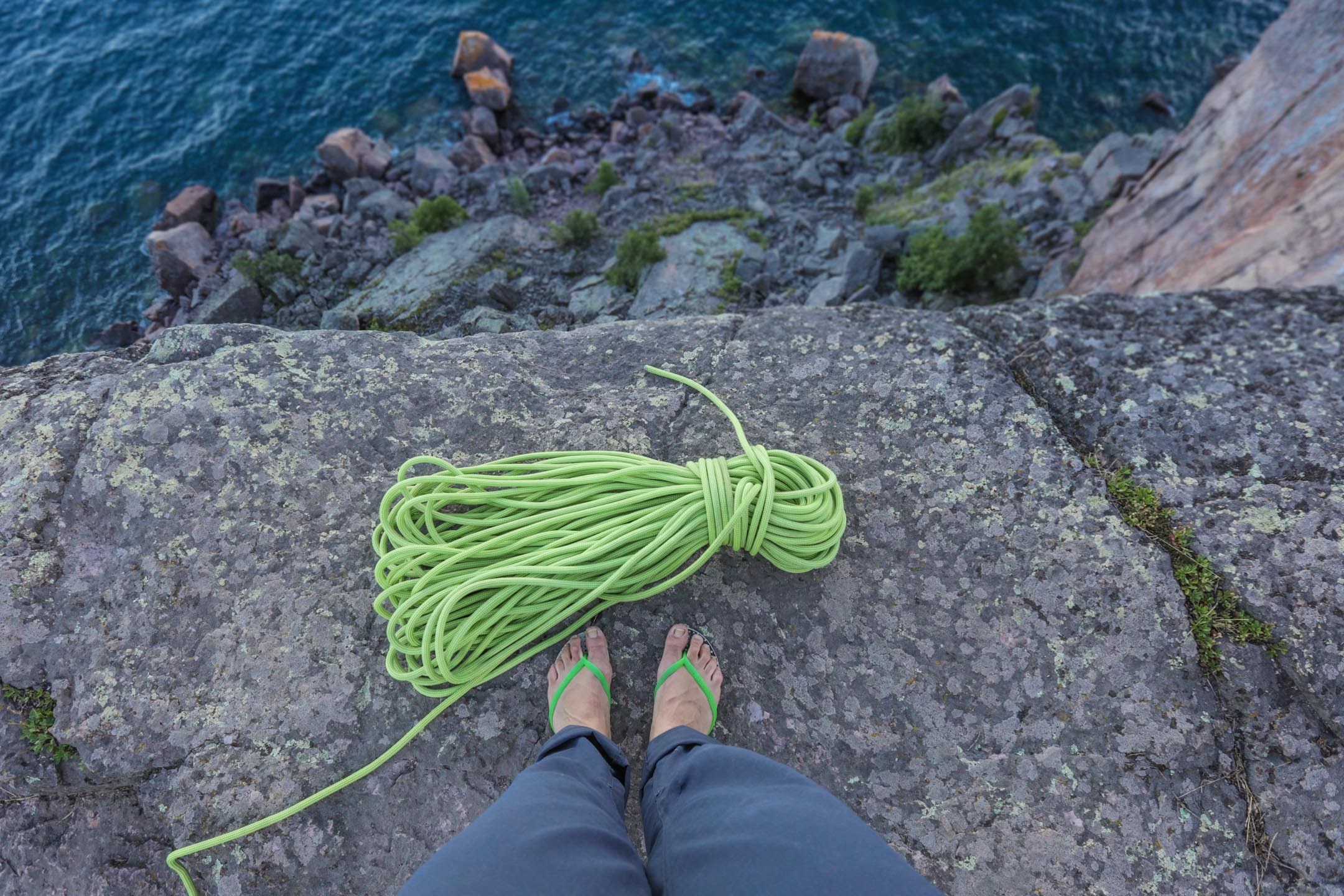
A coiled rope and flip-flops on rock above the water
05

Decisions Get Simple

At work, almost no decision is simple.

You decide, and the result shows up in a quarter, or a year, or never in a way you can trace back to that one call. You make a hundred decisions a day and you are scored cleanly on none of them. Was it the right hire, the right bet. You will not know for eighteen months, if ever, and by then ten other things have muddied it.

Your nervous system never gets to close the loop. It just carries every open decision at once, forever.

That is its own kind of exhaustion, one you cannot rest from, because the thing draining you is not effort. It is unresolved load that never ends.

In the wild, decisions are simple.

Do I trust this hold or place protection first? Do I push for the summit or turn around with this weather coming in? Do I take the easier line or the one that scares me? The decision is real, consequential, sometimes seriously so.

And the answer comes immediately. The hold holds or it does not. The weather turns or it clears. You find out immediately, in your body. The decision is closed, the repercussions arrived, and you move to the next one.

Simple does not mean small. Some of the simplest decisions I have ever made on a mountain were the most consequential of my life. Simple just means clean: one choice, real stakes, immediate answer, done.

Your body loves this. It was built for it. The whole nervous system runs more smoothly on decisions that close than on decisions that hang. That is most of what feels good about being out there, and almost no one names it.

It is not the view. It is the relief of making final choices, however complex they may be.

I once turned around four moves from a summit I had trained two years for. I decided in about three seconds. The weather, the exposure, the way my partner was moving. We went down. It was the right call, and I knew it was the right call long before we reached the ground, because the mountain told me, immediately, the way the boardroom never will.

You cannot make your job give you clean decisions. It is not built that way. But you can go somewhere that does, regularly, and let your system remember what a closed loop feels like.

You bring that memory back with you. It changes your resilience with the open ones.

Back to top ↑

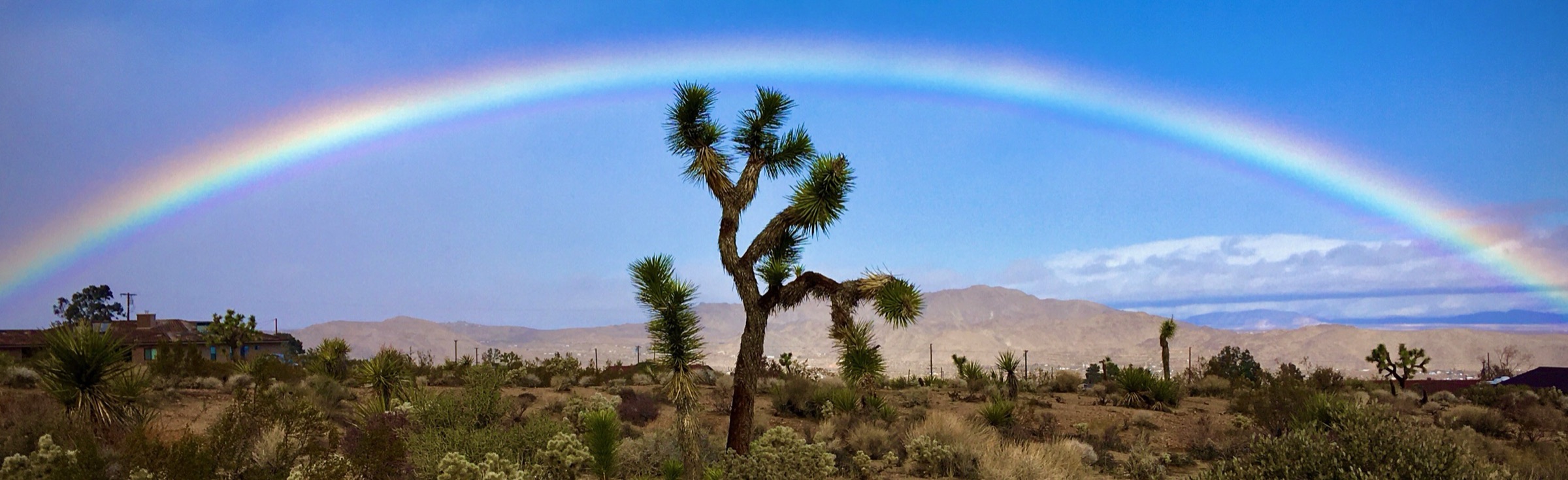
A Joshua tree standing under a full rainbow arch in the high desert
06

Why the Retreat Wore Off

You have felt good before and lost it.

The retreat in Bali. The week of yoga and silence. The Ayurvedic thing with the massages and the clean food and, the part no one admits, the childcare included, so for once nothing was being asked of you.

Of course you felt good. Anyone would.

And then you came home, and within two Tuesdays it was gone, and you felt worse than before, because the thing had promised something and failed to deliver it.

It did not fail. It was never built to transfer. It was built to deload.

Deloading is taking the weight off. No demands, no load, total rest. It has its place, at the edge of real burnout it is necessary.

But deloading is rarely anyone's goal in life. Besides, it is not realistic. Your life brings load every single day, and a state you can only hold when nothing is being asked of you is useless in the room where everything is being asked of you. That is why almost every retreat on earth wears off. They train you in the absence of load, then they send you back to the load.

What I do is the opposite. I train regulation under load. On purpose, with the weight on.

Think about how many men were raised: lift heavy, hard labor builds you, strain is good for you, it makes you stronger. Then look at what women were handed. When you are depleted, do less. Be still. Get the pedicure. We were taught to deload and call it self care, and we were never taught the thing that actually changes a body, which is meeting load and staying regulated inside it.

Here is what transfer looks like.

A client, call her Carrie, was in a slow-motion war with her boss. Meetings full of accusations she felt were unfair, things she had not done, and her not standing up for herself, going home wrecked every night. She had already decided to quit. She just happened to have a six-day Threshold trip booked in the middle of it.

Carrie sat alone in silence in the desert, fasting, for four days. This is not a one-size-fits-all prescription for those with boss problems, but the exact right dose assigned to her.

When she got back to work she texted me: It is wild. The whole situation lost its grip on me. The same boss made the same accusation, but she did not flinch. She did not deny it and she did not fight it. She felt spacious while she told him: I see that you see it this way. That is not how I see it. As far as I am concerned, we can agree to disagree.

That was it. The whole charged thing deflated, because she had stopped feeding it. She was no longer taking the bait into her body. And then, instead of quitting, she looked again and found there was work in that job she still wanted, so she stayed.

Read that again. Regulation did not make her soft. It did not make her fight harder, and it did not make her run. It changed what she was willing to carry. That is the difference between a state you visit and a capacity you own.

One more thing. It is challenging to start these reps alone. The hardest part, early, is telling your own override apart from your real edge, and you cannot reliably do that from inside your own pattern yet. That is what a coach is for. Not to push you. To see the difference you cannot see, until you can.

Back to top ↑

When you're ready to do the work, not just read about it.

Begin with the Signal Map